1. Système terminéview
The Williams AV DWS COM 8 400 Digi-Wave 400 is a wireless intercom system designed for clear, reliable communication among up to 8 participants. This system is ideal for various applications including event production, theaters, houses of worship, and educational settings, providing seamless interpretation and communication capabilities.
Composants inclus :
- (8) DLT 400 Transceivers: These compact units serve as both transmitters and receivers, allowing two-way communication.
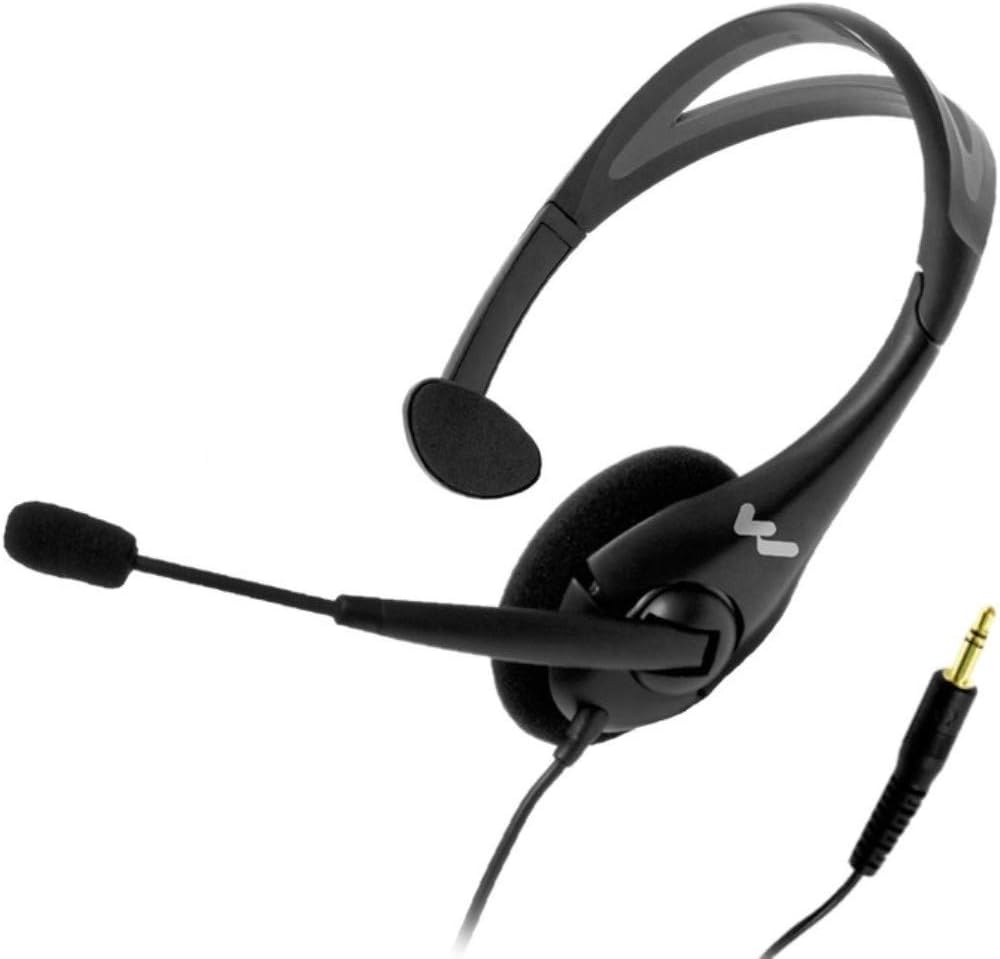
- (8) MIC 144 2P Headset Microphones: Comfortable headset microphones for hands-free operation and clear audio input.
- (1) CCS 056 DW 11 System Carry Case: A durable case designed to protect and transport the entire system.
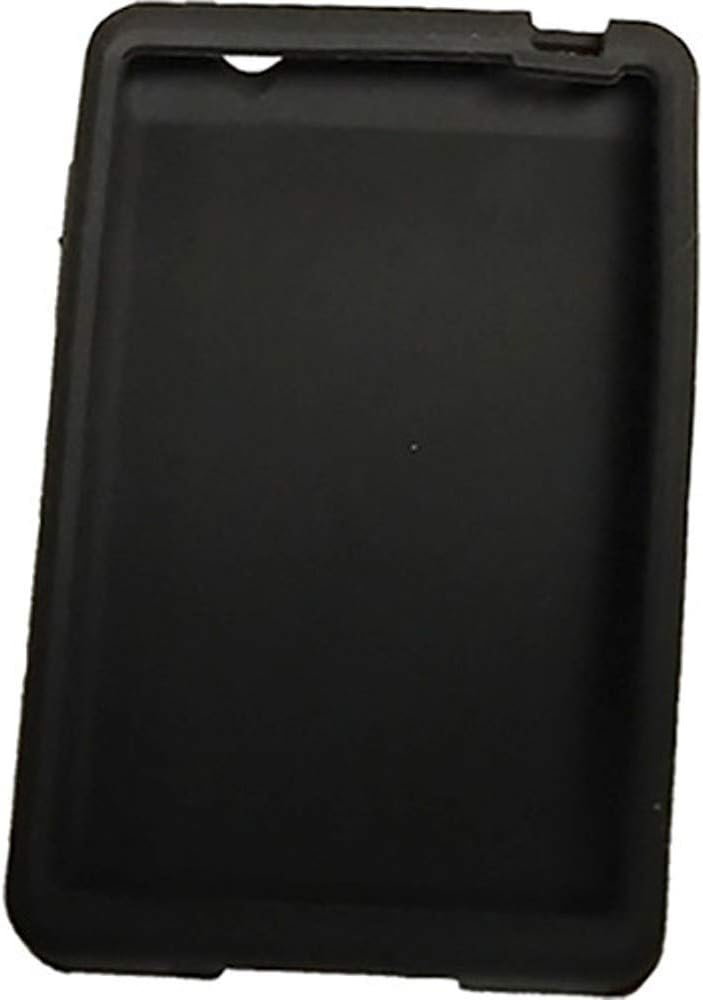
- (1) CCS 061 GR Grey Silicone Skin: A protective silicone cover for one transceiver.
- (7) CCS 061 BK Black Silicone Skins: Protective black silicone covers for the remaining transceivers.


2. Instructions de configuration
- Charge the DLT 400 Transceivers:
Before initial use, ensure all DLT 400 Transceivers are fully charged. Connect the transceivers using a standard USB-C cable to a power source, or place them in a compatible multi-unit charger (e.g., CHG 412, sold separately) if available. A full charge typically takes approximately 5 hours.

Figure 2.1 : DLT 400 Transceiver with USB-C port. The USB-C port is located on the side for direct charging. - Attach Silicone Skins (Optional):
For added protection and grip, slide the provided CCS 061 GR (Grey) or CCS 061 BK (Black) silicone skins onto the DLT 400 Transceivers.
- Connect Headset Microphones:
Plug the MIC 144 2P Headset Microphones into the 3.5 mm TRRS headphone jack located on the top of each DLT 400 Transceiver. This port also serves as the audio output for listening.
Figure 2.2 : DLT 400 Transceiver with 3.5mm jack. The headphone/microphone jack is located at the top of the unit. - Mise sous tension :
Press and hold the power button (usually marked with a circle and a vertical line) on each DLT 400 Transceiver until the OLED display illuminates.
3. Mode d'emploi
3.1. Channel Selection (Interpretation Mode)
The DLT 400 Transceiver allows users to easily switch between different interpretation channels. This system is configured to support multiple language translations simultaneously.
- View Current Channel: The OLED display shows the currently selected channel (e.g., "CH 01").
- Changer de chaîne : Utilisez le haut (^) et en bas (v) arrow buttons located below the display to navigate through available channels. Each channel typically corresponds to a different language or audio source.
- Confirmer la sélection : The system will automatically select the channel once you stop pressing the arrow buttons.
3.2. Réglage du volume
Adjust the listening volume to a comfortable level using the dedicated volume buttons on the side of the DLT 400 Transceiver.
- Augmenter le volume : Appuyez sur le bouton « + ».
- Diminuer le volume : Appuyez sur le bouton « - ».
3.3. Two-Way Communication (Transceiver Functionality)
The DLT 400 units are transceivers, meaning they can both transmit and receive audio. When using the MIC 144 2P Headset Microphone, you can speak into the microphone to transmit your voice to other participants on the same channel, or to an interpreter.
- Bouton Parler : Press the central microphone icon button to activate your microphone for speaking. A red LED around the Talk button indicates that the microphone is active.
- Microphone muet : Press the Talk button again to mute your microphone.
4. Entretien
- Nettoyage: Use a soft, dry cloth to clean the exterior of the DLT 400 Transceivers and the headset microphones. Avoid using abrasive cleaners, solvents, or harsh chemicals.
- Stockage: When not in use, store the system components in the CCS 056 DW 11 System Carry Case to protect them from dust, moisture, and physical damage. Store in a cool, dry place.
- Entretien de la batterie: For optimal battery life, avoid fully discharging the transceivers frequently. Recharge them regularly, especially if they will be stored for an extended period.
- Silicone Skins: The silicone skins can be removed and cleaned with mild soap and water if necessary. Ensure they are completely dry before reattaching them to the transceivers.
5. Dépannage
- Aucun son provenant du casque :
- Ensure the headset microphone is fully plugged into the 3.5mm jack.
- Check the volume level on the DLT 400 Transceiver and increase if necessary.
- Verify that the transceiver is powered on and tuned to an active channel.
- Confirm the headset itself is functioning by testing with another audio source if possible.
- Transceiver Not Charging:
- Ensure the USB-C cable is securely connected to both the transceiver and the power source.
- Essayez un autre câble USB-C ou un autre adaptateur secteur.
- If using a multi-unit charger, ensure the transceiver is correctly seated in its slot.
- Poor Audio Quality or Interference:
- Check the distance between the transceiver and the main transmitter; the system has a range of up to 900 ft (274 m), but environmental conditions can affect this.
- Ensure there are no large metallic objects or other wireless devices causing interference in the immediate vicinity.
- Verify that all units are on the correct channel.
- Microphone ne transmet pas :
- Ensure the MIC 144 2P Headset Microphone is properly connected.
- Press the Talk button on the DLT 400 Transceiver to activate the microphone (red LED should illuminate).
- The internal microphone is disabled when the MIC jack is engaged; ensure the headset is the intended input.
6. Spécifications
| Fréquences de fonctionnement | 2.4 GHz (bande ISM) ; 2402 – 2476MHz FHSS |
| Audio Frequency Response (-3dB Level) | Intercom Mode: 100 - 7200Hz / Other Modes: 100 - 1,500Hz |
| Rapport signal sur bruit (SNR) | 73 dB (A-weighted, default Rx volume with mic input) |
| Distorsion harmonique totale (THD) | 0.1 % (Default Volume, 1kHz) |
| Entrée microphone | Internal microphone (disabled when MIC jack engaged) and 3.5 mm phone jack (sleeve) with electret microphone bias, adjustable gain with 63dB range. |
| Entrée de ligne | USB-C |
| Sortie casque | 3.5 mm TRRS headphone jack; 25 mW, R 32 ohms |
| Audio Output (Max SSPL 90) | 111.8dB (EAR 013), 116.8dB (EAR 041) |
| Gamme | Jusqu'à 900 pi (274 m) (selon les conditions environnementales) |
| Modulation | FSK |
| Sortie RF | 19 dBm Typique |
| Sécurité | 87 bit encryption (300 Series Compatible), 87+128 bit Encryption, Encryption PIN, Lock for settings |
| Ton côté | -6 dB below volume, tone variation (Off, Low and High settings available) |
| Indicateurs | Écran OLED |
| LED | Red LED around Talk button when enabled; Bi-color, changing green and red LED at top |
| Connecteurs de charge | USB-C ; Deux contacts à utiliser avec CHG 412 |
| Récepteurs compatibles | DLR 400 RCH, DLR 400 ALK, DLT 300 and DLR 360 |
| Autonomie de la batterie | Up to 16 hrs talk time |
| Power Save | Mode veille automatique après 5 minutes d'absence de signal RF provenant d'appareils compatibles |
| Temps de charge | 5 h. environ. |
| Dimensions | 4.22" x 2.60" x 0.50" |
| Poids | 3.3 onces |
7. Garantie et assistance
For detailed warranty information, please refer to the warranty card included with your product or visit the official Williams AV website. For technical support, troubleshooting assistance beyond this manual, or to inquire about replacement parts, please contact Williams AV customer service.
Williams AV Contact Information:
- Website: www.williamsav.com
- Veuillez vous référer à l'emballage du produit ou à la notice officielle. website répertoriant les numéros de téléphone et adresses e-mail actuels.


