1. Introduction et plusview
The Fender Tone Master Twin Reverb amplifier faithfully models the circuitry and 85-watt power output of an original Twin tube amp using advanced digital processing. It features a high-performance 200-watt digital power amp to achieve the headroom and dynamic range of a vintage Twin tube amp. Equipped with two Jensen N-12K neodymium speakers and housed in a resonant pine cabinet, this amplifier delivers authentic Twin Reverb tone and volume at approximately half the weight of an all-tube original. Front panel controls provide a playing experience identical to the tube version, including Fender's renowned reverb and tremolo effects. Rear panel features offer modern convenience, such as an output power selector, balanced XLR line output with Impulse Response (IR) cabinet simulations, a mute switch for silent use, and a USB port for firmware updates.
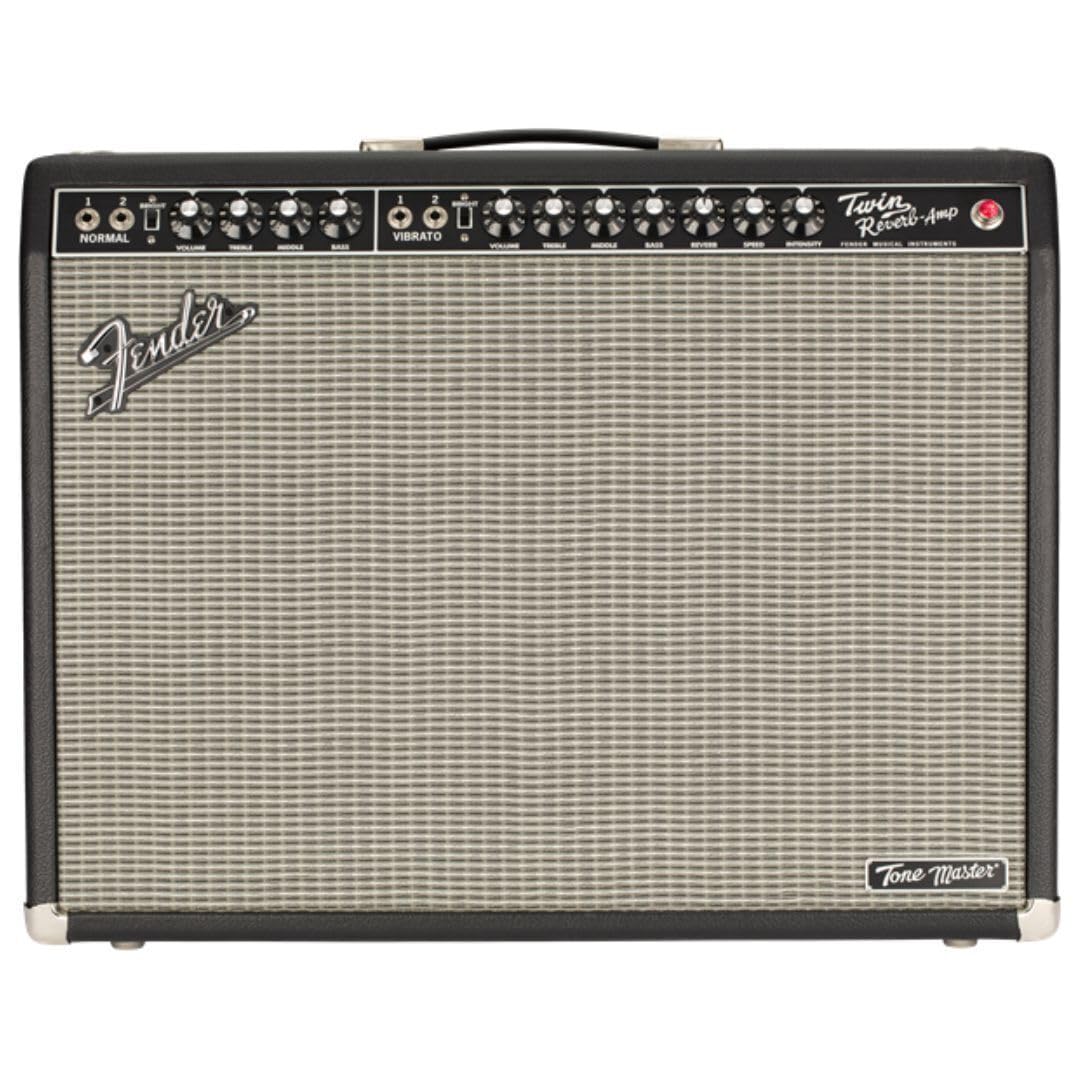
Figure 1 : Face avant view of the Fender Tone Master Twin Reverb Guitar Amplifier.
2. Installation
2.1 Déballage
Retirez soigneusement le amplifier from its packaging. Retain all packing materials for future transport or service needs. Inspect the amplifier for any signs of damage. If damage is found, contact your dealer immediately.
2.2 Connexions
- Prise d'entrée : Connectez votre guitare à la prise INPUT du panneau avant à l'aide d'un câble d'instrument standard de 6,35 mm (1/4 pouce).
- Câble d'alimentation: Connect the supplied power cable to the AC INPUT on the rear panel and then to a grounded AC outlet.
- Pédale de commande : Connect the optional footswitch to the FTSW jack on the front panel for remote control of certain functions.
- Balanced XLR Line Output: Use this output on the rear panel to connect to a mixing console or recording interface. This output includes Impulse Response (IR) cabinet simulations.
- Port USB : The USB port on the rear panel is used for firmware updates.
2.3 Mise sous/hors tension
- Ensure all connections are secure and volume controls are set to minimum.
- Flip the POWER switch on the rear panel to the ON position. The power indicator light on the front panel will illuminate.
- Wait a few seconds for the amplifier à initialiser.
- To turn off, reverse the procedure: turn down volume, then flip the POWER switch to OFF.

Figure 2 : Arrière view de la amplifier, highlighting power input, speaker outputs, and XLR line out.
3. Fonctionnement
3.1 Commandes du panneau avant
The front panel provides intuitive controls mirroring a traditional Twin Reverb tube amplifier.
- Canal normal : Features VOLUME, TREBLE, MIDDLE, and BASS controls for a clean, uncolored tone.
- Vibrato Channel: Offers VOLUME, TREBLE, MIDDLE, BASS, REVERB, INTENSITY, and SPEED controls. This channel includes built-in reverb and tremolo effects.
- Interrupteur lumineux : Located on both channels, this switch adds a high-frequency boost for a brighter tone.

Figure 3 : Gros plan de ampCommandes du panneau avant de l'amplificateur.
3.2 Caractéristiques du panneau arrière
- Output Power Selector: Allows selection between full 85-watt output and five attenuated settings for reduced volume without sacrificing tone.
- Balanced XLR Line Output: Provides a professional-grade output for direct connection to PA systems or recording equipment. Includes switchable Impulse Response (IR) cabinet simulations for versatile tone shaping.
- Commutateur de silencieux: Silences le amplifier's speakers for silent practice or recording.
- Port USB : For connecting to a computer to perform firmware updates, ensuring your amplifier always has the latest features and performance enhancements.
4. Entretien
4.1 Entretien général
Pour assurer la longévité et les performances optimales de votre amplifier, keep it in a clean, dry environment away from extreme temperatures and humidity. Avoid placing heavy objects on top of the amplifier.
4.2 Nettoyage
Utilisez un chiffon doux et sec pour nettoyer l'extérieur du amplifier. Do not use abrasive cleaners or solvents, as these can damage the finish. Ensure the ampL'amplificateur est débranché avant le nettoyage.
4.3 Aération
Always ensure adequate ventilation around the ampAmplificateur pour éviter la surchauffe. Ne pas obstruer les ouvertures de ventilation.
5. Dépannage
5.1 Pas d'alimentation
- Check that the power cable is securely connected to both the ampamplificateur et une prise secteur fonctionnelle.
- Verify that the POWER switch is in the ON position.
- Ensure the AC outlet is functioning by testing it with another device.
5.2 Pas de son
- Confirm your guitar is properly connected to the INPUT jack.
- Check that the VOLUME controls on both the amplifier and your guitar are turned up.
- Ensure the MUTE switch on the rear panel is not engaged.
- Test with a different instrument cable and guitar to rule out faulty equipment.
5.3 Son déformé
- Reduce the VOLUME or GAIN settings on the amplifier.
- Check your guitar's output level; some active pickups can be very hot.
- Assurez-vous que amplifier is not set to an excessively attenuated power setting if you desire a clean tone at high volume.
5.4 Hum/Noise
- Assurez-vous que tous les câbles sont correctement blindés et en bon état.
- Essayez de brancher le amplifier into a different AC outlet or a power conditioner.
- Déplacer le ampÉloignez l'amplificateur des autres appareils électroniques susceptibles de provoquer des interférences.
6. Spécifications
| Nom du modèle | Tone Master Twin Reverb |
| Numéro de modèle | 2274200000 |
| Puissance de sortietage | 200 Watts (simulates 85-watt tube amp) |
| Intervenants | Two (2) 12-inch Jensen N-12K Neodymium Speakers |
| Matériau de l'armoire | Resonant Pine |
| Dimensions (H x L x P) | 31.7 x 26.3 x 15.9 pouces |
| Poids de l'article | 45.2 livres |
| Effets | Reverb, Tremolo |
7. Garantie et assistance
This Fender Tone Master Twin Reverb Guitar Amplifier comes with a 2-year warranty. For warranty service, technical support, or any questions regarding your amplifier, please contact Fender customer support or visit the official Fender website for detailed information and service center locations.


