1. Introduction et plusview
The CAD Audio D90 is a premium supercardioid dynamic handheld microphone designed for live vocal performance. It features a Trueflex diaphragm and PowerGap high-gauss neodymium magnets, delivering a strong and articulate signal. Its durable, all-metal construction ensures reliability for stage utiliser.
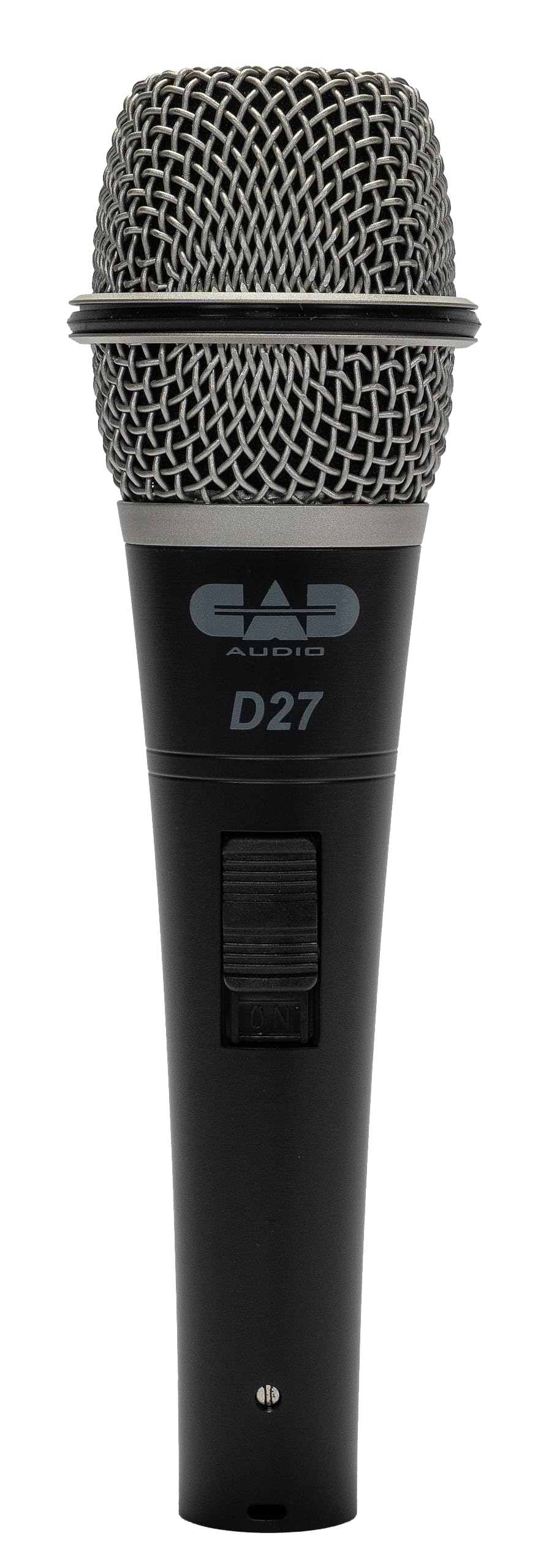
Image 1.1: The CAD Audio D90 Handheld Dynamic Microphone.
Caractéristiques principales :
- Trueflex Diaphragm: Provides articulate response for clear vocal reproduction.
- Powerful Neodymium Magnet: Ensures a hot signal output.
- Supercardioid Polar Pattern: Offers excellent off-axis rejection, reducing feedback and isolating the sound source.
- Construction entièrement métallique et durable : Conçu pour résister aux rigueurs des spectacles en direct.
- Smooth and Articulate Lead Vocal Performance: Engineered for optimal vocal clarity.

Image 1.2: Illustrates the professional sound features of the CAD Audio D90 microphone, highlighting articulate clarity and a powerful signal.
Vidéo 1.1 : Fin officielleview of the CAD Audio D90 Premium Supercardioid Dynamic Handheld Microphone, showcasinet son design et ses fonctionnalités.
2. Contenu de la boîte
Upon opening your CAD Audio D90 package, you should find the following items:
- Microphone dynamique portable CAD Audio D90
- Hard-sided road case (for protection and transport)
- Microphone clip (for mounting on a stand)

Image 2.1: Contents of the CAD Audio D90 package, including the microphone, mic clip, and carrying pouch.
3. Installation
Follow these steps to set up your CAD Audio D90 microphone for use:
- Fixez le clip du microphone : Secure the included microphone clip to a standard microphone stand. Ensure it is tightened sufficiently to hold the microphone firmly.
- Insérer le microphone : Gently insert the CAD Audio D90 microphone into the microphone clip. Adjust the angle as needed for optimal positioning.
- Câble de connexion XLR : Connect a standard 3-pin XLR cable to the microphone's output connector at the base. The D90 is a passive dynamic microphone and does not require phantom power.
- Connectez-vous au système audio : Connectez l'autre extrémité du câble XLR à une entrée de votre table de mixage, interface audio ou amplifier. Ensure the input gain is set to a low level before powering on your audio system.

Image 3.1: The CAD Audio D90 microphone securely mounted on a stand, ready for connection.
4. Mode d'emploi
To achieve the best performance from your CAD Audio D90 microphone, consider the following operational guidelines:
Technique de microphone :
- Effet de proximité : The D90 exhibits a proximity effect, meaning bass response increases as the microphone is moved closer to the sound source. Experiment with distance to achieve desired tonal characteristics.
- On-Axis Placement: For optimal clarity and frequency response, position the microphone directly in front of the sound source (on-axis).
- Rejet hors axe : As a supercardioid microphone, the D90 is highly directional. Point the microphone away from unwanted sound sources (e.g., stage monitors, instruments) to minimize bleed and feedback.
Gagner Stagment:
- Start with the input gain on your mixer or interface at its lowest setting.
- Gradually increase the gain while speaking or singing into the microphone at your typical performance volume.
- Adjust the gain until the signal is strong without clipping or distortion. Aim for a healthy signal level that allows for headroom.

Image 4.1: A performer utilizing the CAD Audio D90 microphone on stage, demonstrating typical usage.
5. Entretien
Proper maintenance will extend the life and performance of your CAD Audio D90 microphone:
- Nettoyage: Regularly wipe the microphone body with a soft, dry cloth. For the grille, use a soft brush to remove any debris. Avoid using liquid cleaners directly on the microphone.
- Stockage: When not in use, store the microphone in its included hard-sided road case or a protective pouch to prevent dust accumulation and physical damage.
- Éviter l’humidité : Tenez le microphone à l'abri de l'humidité et des températures extrêmes.
- À manipuler avec précaution : While durable, avoid dropping or subjecting the microphone to harsh impacts.
6. Dépannage
If you encounter issues with your CAD Audio D90 microphone, refer to the following common problems and solutions:
| Problème | Cause possible | Solution |
|---|---|---|
| Pas de sortie audio |
|
|
| Son déformé |
|
|
| Commentaires excessifs |
|
|
| Signal faible |
|
|
7. Spécifications
Detailed technical specifications for the CAD Audio D90 Handheld Dynamic Microphone:

Image 7.1: Visual representation of key specifications for the CAD Audio D90 microphone.
| Spécification | Valeur |
|---|---|
| Numéro de modèle | D90 |
| Facteur de forme du microphone | Micro uniquement |
| Sensibilité Audio | 51 Decibels (-51 dBV @ 1pa) |
| Impédance | 500 Ohms |
| Réponse en fréquence | 50Hz - 16KHz |
| Signal-to-Noise Ratio | 80 dB |
| Matériel | Métal |
| Poids de l'article | 1 livres (454 XNUMX grammes) |
| Dimensions du produit (L x l x H) | 10 x 3 x 6.5 pouces |
| Source d'énergie | Corded Electric (passive, no external power required) |
| Plateforme matérielle | Karaoke Machine (compatible with various audio systems) |
| Code UPC | 631922107289 |
8. Garantie et assistance
For warranty information, technical support, or service inquiries regarding your CAD Audio D90 microphone, please refer to the official CAD Audio website ou contactez leur service client.
Support en ligne: Visitez le CAD Audio Store on Amazon or the official CAD Audio webSite regroupant les FAQ, l'enregistrement des produits et les coordonnées.
Veuillez conserver votre preuve d'achat pour toute réclamation au titre de la garantie.


